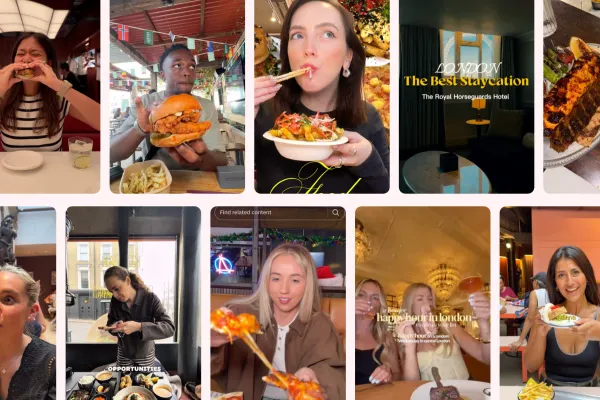
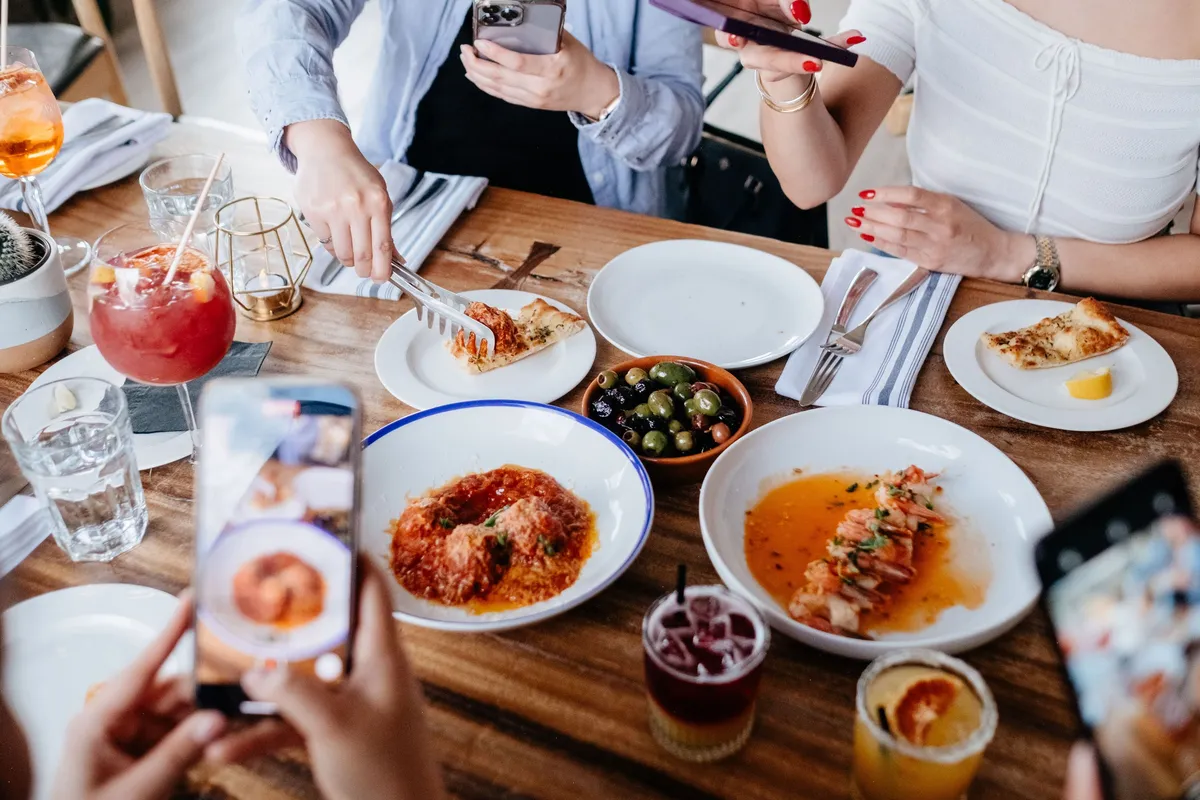
The most reliable way to get social media content for multiple restaurant sites every month is an always-on creator programme: local creators visit each site every month through one platform, and you top that up with ad-ready UGC videos for paid social. A hospitality platform like Joli runs campaigns across all your sites from one account, with each location’s own availability, so content keeps coming to every venue without your team chasing creators one site at a time.
Why Content Dries Up Across a Group
Most groups start with a shoot. It works well for one or two venues, but one shoot doesn’t cover 10 sites, and the photos date as soon as the menu or the season changes.
Creator outreach runs into the same wall. Someone finds creators for one venue, messages each of them, agrees a date, sends a reminder and checks what they posted, then starts again for the next site. With a small team, the venues closest to head office get the attention and the rest go quiet. Our guide to alternatives to DMing influencers covers why that takes so long.
Then there are ads. Meta ad creative now wears out in about 2 to 4 weeks, according to Confect’s 2026 study of Meta advertisers, so a video that works this month will need replacing by the next. A group running paid social for several sites needs a steady supply of new videos, not one batch a year.
Your Options
Here’s how the four main options compare on the thing a small team runs out of first: time.
| Option | Your Team’s Time | How It Scales | The Catch |
|---|---|---|---|
| In-house shoots | Planning, shooting and editing for every venue, usually on top of someone’s day job | Every new site is another shoot day | The content dates quickly and looks like the brand talking, not guests |
| An agency | Light once it’s set up, apart from briefing and sign-off | Well, if the retainer grows with the estate | A monthly fee, and less say over who visits |
| Freelance photographers | Finding, briefing and booking each one, site by site | You end up managing a roster of freelancers | Polished photos, but you still need video for social and ads |
| A creator platform | Setting up campaigns and choosing creators | A new site joins the campaigns you already run | A subscription, and someone on your team still picks the creators |
An agency is the right fit if you’d rather hand the whole thing over. If you want new content at every site every month and a say in who visits, a creator platform built for hospitality is the closest fit, and the rest of this guide shows how to run one.
How to Run an Always-On Creator Programme Across Sites
Always-on means creators visit every site every month, rather than in a rush around launches. Here’s how groups set that up on Joli.
Run One Campaign Across Every Site
You don’t need a campaign for every venue. Set up your brand and each location once, with its own opening hours, then create a campaign and choose which locations it covers: one, several or all of them. A group with 50 sites doesn’t need 50 campaigns. You might run one for your main offer and another for a launch, each covering the sites it applies to.
Availability still works site by site. Creators can book any time a location is open, or you can override that with set days and times, a one-off event, an offer creators can use whenever suits them, or live availability from your booking system. Everything sits in one Joli account, so one person can see what’s live at each site, who has applied and who’s booked in.
Cap Visits so Each Team Can Cope
You can cap how many visits creators book per day, per week or per month, and choose whether that cap counts for each location or across all of them. A busy flagship isn’t swamped on a Saturday, and a quieter site still gets its share.
Connect Your Booking System and Gift Cards
This is what makes it manageable at scale. If your sites use Access Collins, ResDiary, TheFork or Booked it, creators book from your live availability and approved visits go straight into the booking system each site already checks, with reschedules and cancellations synced both ways. Every visit also shows in your Joli diary, which you can filter by venue.
To cover the bill without anyone comping it by hand, Toggle gives each approved creator a gift card for their visit at the value you set, and the redemptions show in your Toggle dashboard. If you don’t use Toggle, creators can pay from their Joli Wallet up to a maximum spend you choose.
Turtle Bay runs its creator visits this way: bookings go straight into ResDiary at each restaurant, and Toggle covers the bill on the day. Each team knows who’s coming and nobody adjusts a bill by hand, which is how one person can look after creator visits across a large estate. That’s the difference a platform built for hospitality makes, because the visit fits into how your sites already run.
Use Local Creators for Each Location
Creators find campaigns by browsing what’s near them, so the people who apply to each site tend to be the ones who live, work and eat out nearby. When a creator applies, you can see where their followers are before you say yes, and you can set requirements for each campaign, such as where their audience is. A creator whose followers live near your Leeds site will do more for it than a bigger account based in London.
Collect Everything in One Library, Reported by Site
When creators post, their posts, reels and stories land in your content library automatically, with reach, views and engagement for each campaign and site. You can see which venues are getting the most from the programme and which need a better offer or more flexible dates, without anyone screenshotting stories or chasing files.
Content for Ads: Partnership Ads, Spark Ads and UGC Videos
Creator visits give you posts on creators’ own channels, and the best of them can work as ads too. You can ask a creator whether you can run a post they made for you as an ad for 12 weeks: a partnership ad on Instagram, which shows their account and yours together, or a Spark Ad on TikTok. It’s the creator’s choice whether to say yes, you tell them up front what you’re offering (no fee, a cash fee or a gift card), and you run the ad from your own Meta or TikTok Ads Manager with your own audience, budget and Book Now button.
For videos made to run as ads from the start, there’s Ad Studio. Vetted creators film in your venue to your brief, you review and approve every video, and you own the approved videos with unlimited usage rights.
Because ad creative wears out so quickly, groups use both to keep a steady supply of new ads for each site or campaign, rather than running the same one for months. Our guide to gifted visits, paid collaborations and videos for ads explains how the three fit together.
What Good Looks Like: Groups Doing It
Clermont Hotel Group runs 16 hotels across London, and each one needs its own story told. Creators visit the hotels, restaurants and bars, then share content that shows each property’s character to people planning a trip. Since August 2025, that has added up to more than 1,200 pieces of content, more than 7.8 million views and more than 211,000 engagements.
Figures are from Joli platform data, 1 August 2025 to 11 November 2026.
Boom Battle Bar runs competitive socialising venues across the UK. Getting creator content used to mean manual outreach, one venue at a time. Now it runs creator visits and Ad Studio videos across the estate.
The biggest impact for us has been scalability. We’re able to deliver a much greater volume of creator activity across our UK venues while also producing UGC for paid campaigns more efficiently.
Dani, Senior Marketing Manager at Boom Battle Bar
You can read more customer stories from groups using Joli.
How Joli Prices Multi-Site Groups
Joli prices by region rather than by venue, so every site a brand runs in one region is covered by its plan. It’s available across 12 UK regions plus Ireland, so as a group grows it adds regions rather than paying for each new site. See what each plan includes.
If you run several sites and want to see how it would work across yours, book a demo.
Related reading: Why Micro and Nano Influencer Campaigns Should Be Always On | Gifted, UGC or Paid? How to Choose the Right Creator Mix for Your Venue | Alternatives to DMing Influencers One by One
Frequently Asked Questions
How much content does each restaurant site need a month?
There's no single number, but each site needs enough new content to keep its own feed active and its ads fresh. Meta ad creative wears out in about 2 to 4 weeks, according to Confect's 2026 research, so plan for new creator visits and videos every month rather than one big shoot a year.
Can one platform manage creators for several venues?
Yes. On Joli one campaign can cover every site, with each location's own availability and visit caps, and bookings can go straight into Access Collins, ResDiary, TheFork or Booked it. Reach, views and engagement are reported for each campaign and site in one place.
Do I pay per location on Joli?
No, Joli prices by region rather than by venue, so every site a brand runs in one region is covered by its plan. It's available across 12 UK regions plus Ireland, and our pricing page shows what each plan includes.
Should a group use an agency or a platform?
An agency suits a group that wants to hand the whole thing over and is happy to pay a monthly fee for it. A platform suits a group that wants new content at every site each month and a say in who visits, with a small team running it from one account.
Can we use creator content in our ads?
Yes, with the creator's agreement. On Joli you can ask a creator to let you run a post they made for you as a partnership ad on Instagram or a Spark Ad on TikTok for 12 weeks, and it's their choice whether to say yes. Ad Studio videos are made to run as ads, and once you approve them you own them with unlimited usage rights.